
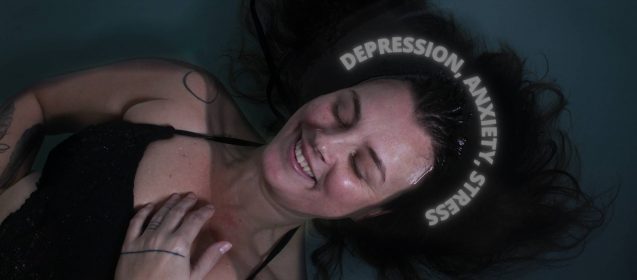
Can Floating Reduce Depression, Anxiety and Stress?
Is floating helpful for managing things like depression, anxiety, and stress? Researchers are finding that floating offers possible long-term results for various mood and mental health issues. In addition to showing promising benefits for depression, anxiety, and stress, floating has also been shown to help with muscular pain and sleep disorders. So what is it about sensory deprivation that appears to be so good for both the mind and body?
Many people wonder what to expect when getting in the tank. A sensory deprivation tank is used as part of something called restricted environmental stimulation therapy (REST) that significantly reduces sensory stimulation to create an environment of relaxation that is impossible to achieve in ordinary settings. Containing just enough water for the floater to relax on their back, a sensory deprivation tank reduces how a person experiences gravity’s effects. Tanks are also soundproof to minimize distractions.

What the Research Says About Floating and Wellness
A study published in 2018 on the short-term anxiolytic and antidepressant effects of floatation-REST shows considerable promise for people suffering from a wide variety of mental health issues. Researchers designed a study using 50 participants suffering from anxiety and depression. This particular study is interesting because the participants were experiencing a wide range of different anxiety and stress-related disorders covering social anxiety disorder, generalized anxiety disorder, panic disorder, agoraphobia, and post-traumatic stress disorder. Researchers were able to conclude at the end of the study that a single one-hour session of floatation-REST was capable of inducing a strong reduction in anxiety states while creating substantial improvements in mood.
Another study, this one from 2014, showed similar results. In this study, participants reported significant decreases in stress, depression, anxiety, and pain after taking part in flotation-REST experiences. Those same participants also reported increases in optimism and sleep quality. By contrast, no significant results were reported in the control group. It actually gets even more interesting after that. Researchers concluded that flotation participants experienced a significant correlation between mindfulness in daily life and degrees of altered states of consciousness during relaxation in the flotation tank. This seems to point to long-term cognitive and mental benefits that reach into daily life even when participants are not in the float tank.

Why Is Sensory Deprivation Good for Mental Health?
There’s still a lot being revealed by researchers about the benefits of floating with sensory deprivation. Many people know that they anecdotally “feel different” both during and after floating. It’s known that at least some of the benefits of floating are tied to the way that sensory deprivation activates something called the parasympathetic nervous system. When the parasympathetic nervous system is activated, people can enjoy a slower heart rate that induces a state of bodily relaxation. The parasympathetic nervous system also helps reduce blood pressure while decreasing the levels of a stress hormone called cortisol that runs rampant through the body when we are “all charged up.” Cortisol is linked with feelings of anxiety, panic, and burnout.

Is Floating the Future of Mental Wellness?
The research on floating for mental health couldn’t look better. People struggling with nearly all forms of anxiety and depression are finding relief using this natural, carefully controlled method of rebalancing the mind and body.
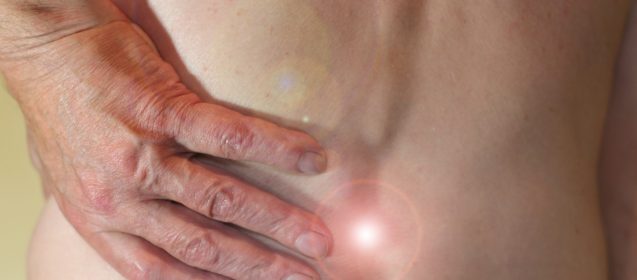
 Do you have a sports injury that you want to heal faster? Use cold therapy that doesn’t require hours of sitting in a bath of ice and enduring the skin chilling temperatures and discomfort. Cryotherapy is a just one viable alternative that only takes a few minutes of your time. Uses liquid nitrogen that lowers the temperature to -200 degrees Fahrenheit and -256 degrees Fahrenheit, which then lowers the temperature of the skin in a few minutes. That action of severe cooling makes changes to the body that can help speed healing.

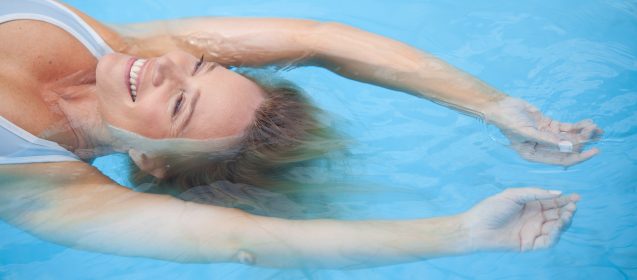
 There are many reasons to use cryotherapy. Some people use it to slow or reverse the effects of aging on skin. Others use it as an aid for relieving pain. In fact, in Europe, it’s even covered by health insurance. Does that mean it’s safe for everyone? That depends on the type of cryotherapy used and the overall health condition of the person using it. The three types of cryotherapy offered at Float State are cryofacials, localized cryotherapy and full body cryotherapy.
 If you’re feeling the gut-wrenching, crushing feeling of stress, you can get help from float therapy. People in Corona, CA find they get relief when they take advantage of the float tanks or float cabins available. Sounds intriguing doesn’t it? But just what is float therapy? Float therapy can take place in a tank or a large room with a float pool. The water is body temperature and contains enough Epsom salt to keep you buoyant without any effort. The room is darkened when the client is ready and there’s total silence. It removes sensory stimulation and puts the brain and nervous system at ease.
 If you’re not making the progress you want to see on your present weight loss program, don’t quit working out and eating healthy. Instead, add cryotherapy to your program of weight loss and you’ll see a difference in its effectiveness. Cryotherapy won’t make you lose weight if you’re eating tons of calories and living a sedentary lifestyle, but if you’re following a healthy eating plan and a program of regular exercise, it will boost your efforts and get faster results.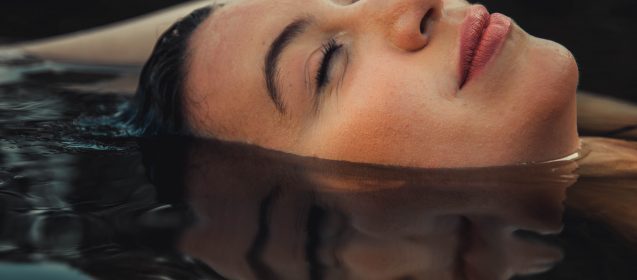
 Stress is lethal. Not only does it put you on the edge of exploding, it wreaks havoc with your body. Are you staying awake at night? Does insomnia affect you daily? Is joint or muscle pain making life miserable and you’d just like a little relief? There’s great news! You can get that relief from painful stress and enjoy a tranquil sleep with floatation therapy. The best part of floatation therapy is that you aren’t taking a pill, you’re helping your body naturally.
 There are several types of cryo freeze therapy available in the Corona, CA area. Cryotherapy can be whole body, localized or facial cryotherapy. They all use the same underlying principle of treatment with sub-zero temperatures. The temperatures used in the therapies is between -200 degrees Fahrenheit and -256 degrees Fahrenheit. It may sound unbearable, but you’ll find that it’s not nearly as bad as you think. In fact, some people love that exhilarating feeling, especially since it’s for such a short time.
 Whether you’re in pain, want to look better or just need some R&R, our Corona health center might be the answer you’ve hoped to find. Many doctors are now looking at alternatives to medication that can cause dangerous side effects or looking for ways to help patients that haven’t had the success they had hoped to achieve. It’s one reason there are alternatives that either boost the present medical treatment or provide a different approach to the “take-a-pill” method. Some of these include float therapy, cryotherapy, infrared sauna and meditation.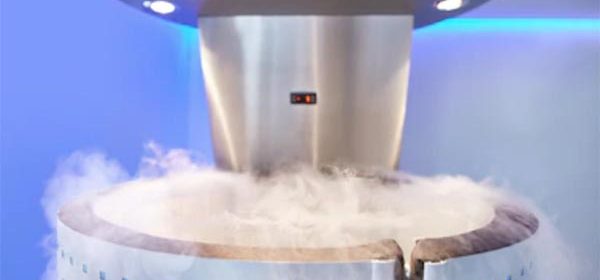
 If you’ve never heard of cryo tank therapy, it’s time to take a look at the benefits it has to offer. It’s not new. It’s been around since 1978 and was started by a doctor in Japan to help relieve the pain of rheumatoid arthritis. It is now available in Corona, CA to help people reduce pain, improve their feeling of well being and even improve their appearance.